
The fallow effect: what Glastonbury’s year off tells us about attention.
By Susie Dullard
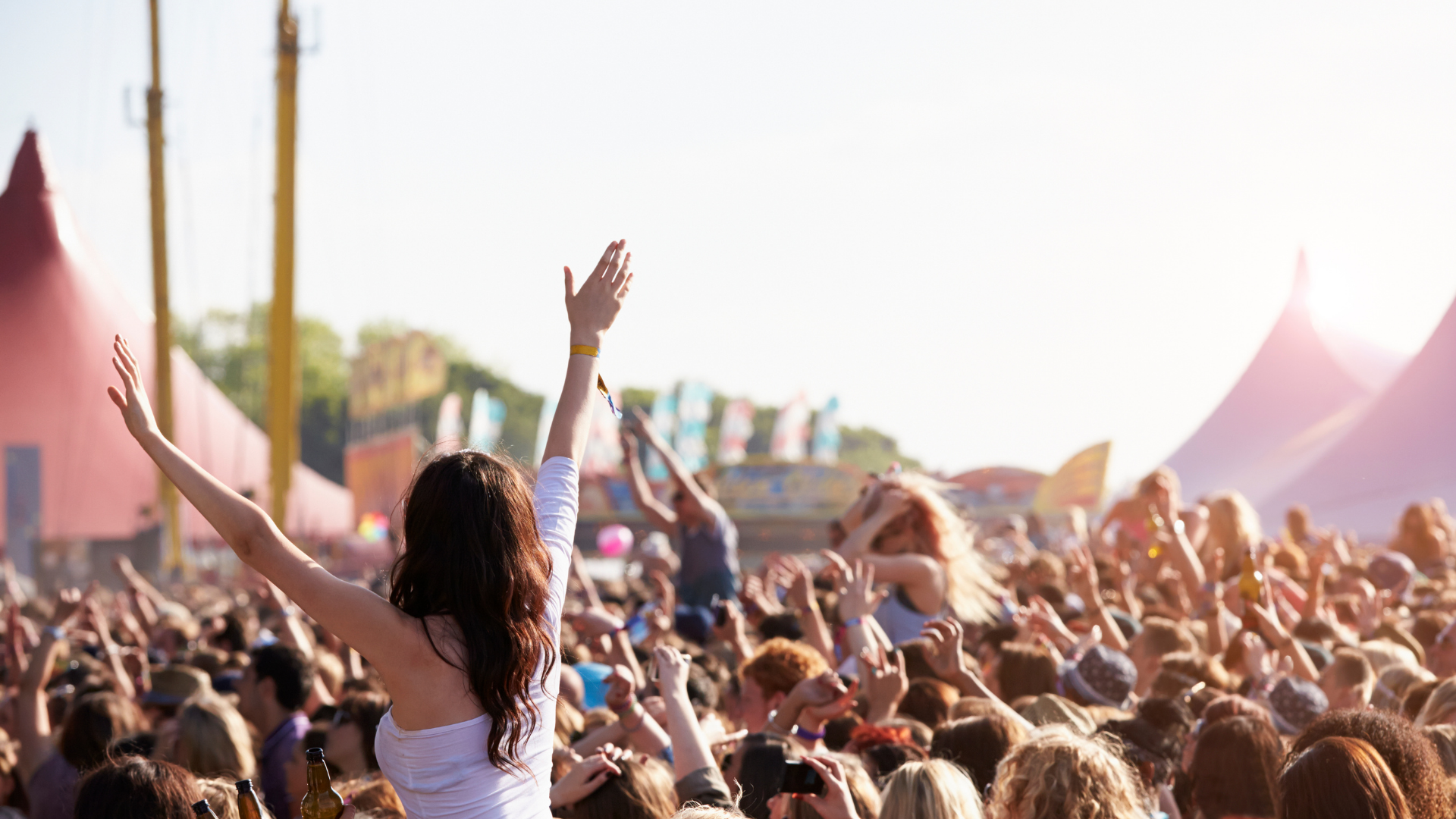
Travelling back from Pride on Saturday, I was privy to a lovely gaggle of youngsters on the train talking about Glastonbury (or the absence of it). One was bemoaning there being no show this year, whilst another was advocating for the importance of the fallow year.
A year with no Pyramid Stage, no surprise sets, no endless debates over who should’ve headlined, and (weather dependent) no muddy wellies clogging up your Insta feed.
I’ve done a fair few festivals in my time, but I’ve never done Glasto. That is, apart from in my dreams where I’m the one headlining, supported by Stevie Nicks and my treasured Fender Telecaster. Busted – I like the luxury of a proper loo too much.
But such is the notoriety of this one particular festival, that even in fallow times people are still talking about it. Articles are being written about it, and brands are referencing it in their own content.
For something that isn’t even happening, Glasto is getting a remarkable amount of attention.
And that’s the thing; somewhere along the way, we’ve started to confuse being visible with being memorable.
The panic of going quiet
The ever-evolving blur of media channels and platforms means, now more than ever, there’s a weird anxiety that creeps in when a business doesn’t post for a few days. We see it in comms all the time. The feeling that if we post twenty seven times a day, we’ll be ever-present in people’s feeds and emerge triumphant in dominating share of mind.
“But what if the algorithm forgets us?” – before you know it, someone’s dusted off a Maya Angelou quote that the design team have developed into a 5-slide carousel whilst somehow managing to align it to their business – even if that’s shifting pet food or simplifying the hiring process. Borrowed wisdom doesn’t discriminate, after all.
Essentially, we’ve convinced ourselves that constant activity equals relevance.
It doesn’t.
People don’t remember brands because they posted on Tuesday at 9am. They remember them because, over time, they’ve earned a place in their minds. And that’s a very different thing.
Attention isn’t built overnight
Glastonbury isn’t featuring in conversations because it’s louder than every other festival. It’s doing the opposite – its reputation has been built over decades through unforgettable performances, stories people still tell years later, and a sense of anticipation that starts long before the gates are open and the beers are bought.
That’s what makes the silence interesting.
When something has real cultural value, it doesn’t disappear the moment it’s out of sight. The attention keeps working, even when the brand isn’t.
And that’s the difference between noise and attention. Noise needs feeding every day. Attention has a much longer shelf-life.
The brands we love as individuals are the ones we look forward to hearing from – and it’s not because they’re posting the most. It’s because when they do show up, they have something that’s worth your time.
They make you laugh. Or cry. Or both.
They challenge your thinking. They tell you stories. They leave you with something to remember. The leave an emotional mark.
That’s what great communication does. It creates value, not volume.
The brands and businesses that are asking themselves, ‘are we giving people a reason to care when we do show up?’ are the ones with the edge.
Because that’s infinitely more valuable than simply filling the feed.
And that’s what we tell clients. That earning a place in people’s minds doesn’t mean being seen every day. It means being remembered on the days that they are, and the days that they’re not.
That’s the Fallow Effect.
In a world obsessed with saying more, perhaps the brands that stand out are the ones confident enough to know when they don’t need to say anything at all.
NB: This was planned to go out last week, but I didn’t write it in time, and our business has not collapsed. #TheFallowEffect